In recent years, the solar energy industry has faced a pressing question: "Why do solar panels lose efficiency over time?" This phenomenon significantly impacts the performance and longevity of solar installations. Dr. Emily Carter, a leading expert in renewable energy, has conducted extensive research on this topic. She states, “Understanding the degradation of solar panels is crucial for optimizing energy production.”
Solar panels diminish in efficiency due to a variety of factors. Over time, environmental conditions like UV radiation, temperature fluctuations, and moisture can wear down their materials. The microscopic changes within the panel can lead to a reduction in their output capacity. In practical terms, homeowners may notice a smaller energy yield from what was once a high-performing system.
This scenario gives rise to essential discussions about technology and maintenance. Many users may underestimate the importance of panel upkeep. Regular inspections and cleaning can help mitigate efficiency losses. However, the inherent degradation can’t be entirely avoided. Reflecting on these complexities reveals that while solar energy remains a promising solution, users must remain aware of the challenges sustainable energy faces.
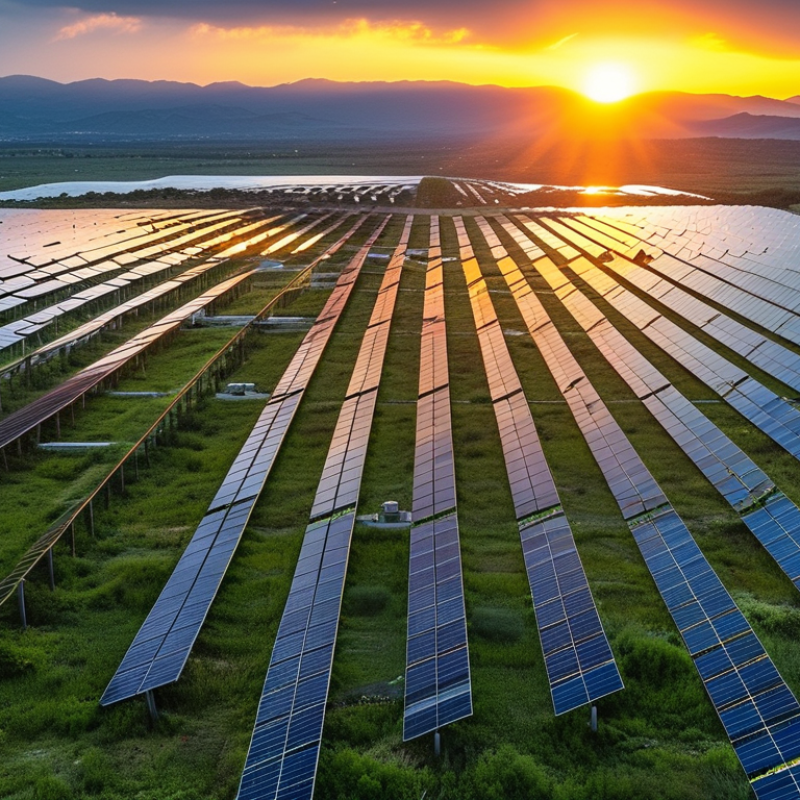
Factors Contributing to Solar Panel Efficiency Degradation Over Time
Solar panels are a great renewable energy source, but they experience efficiency loss over time. Several factors contribute to this degradation. One major reason is exposure to the elements. UV rays from sunlight can damage the cells within the panels. Over the years, this exposure leads to a gradual decline in power output.
Another factor is temperature. High heat can negatively affect solar panel performance. As temperatures rise, panels might lose some efficiency, especially in areas with extreme climates. Dust and dirt accumulation also plays a role. Regular cleaning can mitigate this effect, but many homeowners overlook this vital task.
Tip: Keep your panels clean and free of debris to maximize energy output. Regular maintenance checks will help identify potential issues early. Remember to monitor your energy production. If you notice significant drops, it might be time for a professional evaluation. Regular attention can prolong the life and efficiency of your solar investment.
Impact of Temperature Variations on Solar Panel Performance
Solar panels are known for their efficiency, but they often decline in performance over time. A key factor in this decline is temperature variations. Extreme heat can significantly reduce a panel's ability to convert sunlight into electricity. Reports suggest that for every degree Celsius increase in temperature, the efficiency of solar panels can drop by about 0.4% to 0.5%. This loss accumulates, especially in hotter regions.
In 2026, research from the National Renewable Energy Laboratory noted how temperature impacts solar energy generation. During warmer months, systems can experience a 10-20% decrease in output. This is concerning for areas with high annual temperatures. Moreover, inadequate cooling mechanisms can exacerbate this effect, leading to further efficiency loss over time.
While solar technology has advanced, the long-term effects of temperature cannot be overlooked. Engineers are researching materials and designs that can withstand higher temperatures better. However, these solutions still require testing and validation. The need for reliable data on temperature performance is imperative for future innovations in solar technology.
Role of Ultraviolet Radiation in Solar Panel Aging
Ultraviolet (UV) radiation plays a crucial role in the aging of solar panels. Over time, UV rays can cause a breakdown in the materials used in solar technology. This degradation often leads to a reduction in the efficiency of solar cells. The exposure of panels to direct sunlight for years accelerates the impact of these rays. As the protective coatings wear away, the underlying materials can begin to deteriorate.
Research indicates that most solar panels experience a decline in performance due to UV exposure. Many components, such as the encapsulant and backsheet, are sensitive to this radiation. This sensitivity can result in the yellowing or cracking of these materials, ultimately affecting energy output. It’s interesting to note that while high-quality panels may resist UV damage better, no panel is entirely immune.
The cumulative effects of UV radiation demand attention. Homeowners and industry professionals should monitor solar panel conditions regularly. Regular cleaning and inspections can help identify potential issues early. While advancements in solar technology aim to improve durability, the inevitable aging process remains a significant challenge. Acknowledging these factors is essential for maintaining optimal panel performance.
Why Do Solar Panels Lose Efficiency Over Time in 2026? - Role of Ultraviolet Radiation in Solar Panel Aging
| Year |
Efficiency (%) |
UV Radiation Exposure (kWh/m²) |
Cumulative Aging (%) |
| 2021 |
90.5 |
1600 |
1.2 |
| 2022 |
89.7 |
1650 |
2.3 |
| 2023 |
88.9 |
1700 |
3.5 |
| 2024 |
87.2 |
1750 |
4.6 |
| 2025 |
85.5 |
1800 |
5.8 |
| 2026 |
83.0 |
1850 |
7.1 |
Cumulative Effects of Dust and Dirt on Solar Panel Output
Solar panels, while generating clean energy, encounter efficiency loss due to various factors. One prominent issue is the accumulation of dust and dirt. Research indicates that dust buildup can decrease solar output by up to 25%. This is particularly evident in arid regions where sand and particulate matter are prevalent. Regular maintenance is essential to prevent significant output reduction, especially on rooftops and open fields.
A report from the National Renewable Energy Laboratory (NREL) highlights that even a thin layer of dirt can obscure sunlight. The challenge lies in balancing the costs of cleaning with the benefits of enhanced efficiency. In some cases, frequent cleaning may not be economically viable, especially for large installations. However, ignoring this aspect can lead to suboptimal energy production, resulting in lost revenue over time.
Investing in effective cleaning solutions can mitigate this issue. Innovative technologies, such as self-cleaning coatings, aim to reduce the frequency and labor involved in maintaining solar panels. Still, the reliance on these technologies requires careful evaluation. Educating users about the impacts of neglecting maintenance is crucial. By understanding the cumulative effects of dust and dirt, solar panel owners can make informed decisions to optimize their energy systems.
Statistical Analysis of Solar Panel Lifespan and Efficiency Loss Rates
Solar panels are designed to last over 25 years, but their efficiency can decline over time. Research indicates that most panels lose about 0.5% to 1% of their efficiency annually. By 2026, this rate could impact energy output significantly. For instance, a 300-watt panel may produce only 240 watts after 20 years. Understanding these figures helps homeowners and businesses plan their solar investments.
Temperature fluctuations and environmental factors play crucial roles in efficiency loss. For example, high temperatures can reduce photovoltaic performance. According to the National Renewable Energy Laboratory, panels can lose up to 20% of their output in extreme heat. This highlights the importance of supporting technologies like advanced cooling systems.
Regular maintenance can mitigate some efficiency losses. Cleaning panels removes dirt and debris that block sunlight. Monitoring performance also helps identify underperforming panels early. Data from industry reports emphasize the need for regular assessments. This proactive approach can enhance overall system lifespan and energy production. Acknowledging the potential for efficiency decline is vital for anyone investing in solar technology.
Solar Panel Efficiency Loss Over Time
This chart illustrates the efficiency loss of solar panels over a seven-year period, showing how efficiency declines steadily with each passing year. By Year 7, the average efficiency drops to approximately 85% from an initial 98% in Year 1.
FAQS
: Exposure to UV rays and high temperatures can significantly reduce solar panel efficiency.
High temperatures can lead to efficiency loss, especially in extreme climates.
Dust and dirt can decrease output by up to 25%, impacting energy production.
Ignoring maintenance can lead to reduced efficiency and lost revenue over time.
Frequent cleaning can be costly, particularly for large solar installations.
Keep panels clean and conduct regular maintenance checks to identify issues early.
Even a thin layer of dust can obscure sunlight, reducing overall solar output.
Self-cleaning coatings are one option, but they require careful evaluation.
Yes, monitoring helps detect significant drops in output that need professional evaluation.
Many homeowners overlook the importance of regular cleaning, leading to efficiency loss.
Conclusion
The article "Why Do Solar Panels Lose Efficiency Over Time in 2026?" explores various factors that contribute to the degradation of solar panel efficiency throughout their lifespan. Key elements include the impact of temperature variations, which can lead to reduced performance, and the role of ultraviolet radiation, which accelerates aging. Additionally, the cumulative effects of dust and dirt accumulated on solar panels can significantly diminish their output. A statistical analysis further highlights the typical lifespan of solar panels and the rates at which efficiency loss occurs.
Understanding "why do solar panels lose efficiency over time" is crucial for optimizing their performance and maintaining energy output. By examining these factors, the article emphasizes the importance of regular maintenance and site selection to prolong the effectiveness of solar panels, ultimately benefiting solar energy users and promoting sustainable energy practices.

 GeoSyn Solar