Integrating solar energy with smart home systems is an innovative way to enhance energy efficiency and sustainability. As homeowners seek to reduce their carbon footprint, understanding how to integrate solar energy with smart home systems becomes vital. Solar panels can generate significant power, but how do they interact with smart technologies?
Smart home systems offer automation and control over appliances. By combining these systems with solar energy, users can maximize savings and optimize energy usage. For instance, devices can adjust their operations based on solar production during the day. This creates a harmonious blend of energy generation and consumption that needs careful planning.
However, it’s essential to recognize the challenges involved. Not all smart devices may easily coordinate with solar setups. Moreover, consumers must consider their specific needs and budgets. Thus, exploring the top methods to integrate solar energy into smart homes is not just about tech; it’s about thoughtful implementation and real-world practicality.
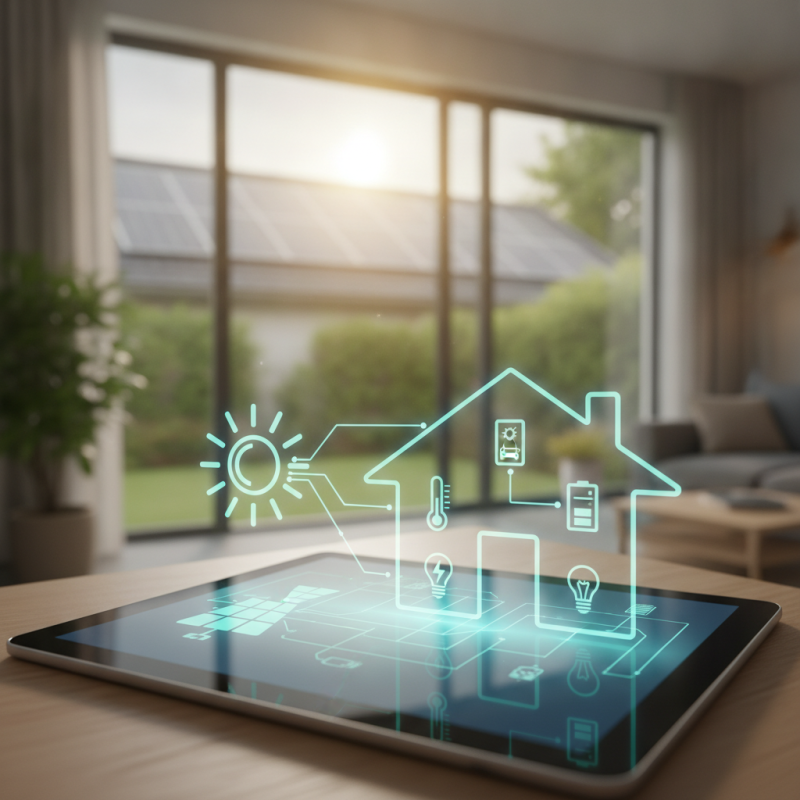
Integrating solar energy with smart home technology offers numerous benefits. Homeowners can reduce their electricity bills significantly. Solar panels generate energy from sunlight, making it a sustainable choice. By combining this with smart home devices, energy management becomes more efficient.
Smart homes allow users to control energy consumption in real time. For example, homeowners can schedule appliances to run during peak sunlight hours. Smart thermostats adjust heating and cooling based on solar energy production. This leads to enhanced efficiency and convenience. However, initial costs might deter some individuals. It requires a thoughtful approach to budget and plan.
Another advantage is the environmental impact. Using solar energy reduces reliance on fossil fuels. It lowers greenhouse gas emissions, contributing to a healthier planet. Yet, many people hesitate due to misinformation about solar technology. Understanding the potential benefits is crucial. Real-world examples show how integrating these systems can lead to significant savings and a comfortable lifestyle.
Solar energy can significantly power smart homes. To maximize its potential, several devices play crucial roles. Smart thermostats, for example, adjust heating and cooling based on energy consumption patterns. This optimization ensures that energy generated from solar panels is used most efficiently. Homeowners can monitor energy use in real time.
Smart energy monitors are another vital device. They track power flow from solar systems to household appliances. This data allows homeowners to shift usage during peak production times. Additionally, smart batteries can store excess energy produced during sunny days. This stored energy can be used later, reducing reliance on the grid.
Smart lighting systems also enhance solar energy use. They can be programmed to operate when solar production is highest. However, integrating these devices may require upfront investment. Many users can struggle with complex installation processes. Not all smart devices are compatible with existing systems, which can be frustrating. The integration journey demands careful planning to truly benefit from solar energy.
Integrating solar energy with smart homes can lead to significant energy efficiency gains. Data-driven strategies enhance this integration. For instance, smart meters collect real-time data on energy usage. This data can inform homeowners about peak usage times and suggest adjustments to consume solar energy effectively. Implementing automation in lighting and appliances can trim energy waste and lower utility bills.
Solar panel systems can be monitored through mobile applications. These applications provide insights into energy generation and consumption patterns. Homeowners can adjust their energy usage based on this data. This awareness fosters a more proactive approach to energy management. However, the technology is not infallible. Issues like sensor errors or software glitches can distort the information.
Integrating energy storage solutions adds complexity. These systems can store excess solar energy for later use. Yet, the technology can be intimidating. Some homeowners may find it hard to navigate settings. Professional assessments can help identify the best solutions tailored to individual needs. Training and support are crucial. Over-reliance on technology without understanding can lead to missed savings.
Integrating renewable energy monitoring systems into smart homes can greatly enhance energy efficiency. These systems collect data on solar energy production and consumption. They provide homeowners with real-time insights, which helps in making informed decisions. With accurate monitoring, families can optimize their energy use, reducing waste and unnecessary costs.
One effective tip is to analyze peak energy usage times. This information allows homeowners to adjust their solar power utilization. When is your home using the most energy? Focus on that. Consider scheduling heavy appliance use during peak solar generation hours. It maximizes efficiency and minimizes energy costs.
Another critical aspect involves setting alerts for energy consumption. These alerts can notify you when usage exceeds a certain threshold. You'll become more aware of energy-hungry devices. Small changes can lead to significant energy savings over time. Being proactive is key. Moreover, reviewing this data regularly can lead you to rethink energy habits. Reflect on your monthly usage trends and adjust accordingly.
The landscape of solar energy and smart home integration is evolving rapidly. As technology advances, homes equipped with solar panels can be part of a more extensive network. This network connects solar energy systems to smart devices, optimizing energy use. Homeowners can now monitor and control energy consumption in real time, using intuitive applications. This shift not only boosts efficiency but also enhances sustainability.
Future trends indicate a focus on battery storage solutions. Home energy systems will become more self-sufficient. Households can store excess solar energy, using it during peak demand hours. This capability could lessen reliance on the grid, especially during power outages. However, the upfront costs of such systems often raise concerns. Not all homeowners can afford the initial investment. Accessibility remains a challenge in the push for widespread adoption.
Another trend is the integration of artificial intelligence. Smart thermostats and appliances can learn user behavior, adjusting energy usage accordingly. This technology creates a seamless experience, but issues arise. Not every device communicates perfectly with others. Moreover, homes still face vulnerabilities regarding cybersecurity. Finding the right balance between convenience and security is necessary for future developments.
| Integration Method | Benefits | Future Trends |
|---|---|---|
| Smart Solar Inverters | Maximize energy usage and minimize wastage. | Enhanced communication with home energy management systems. |
| Home Battery Storage | Store excess energy for use during peak times. | Integration with renewable energy forecasting. |
| Automated Energy Management | Optimizes energy consumption based on solar generation. | AI-driven home energy profiles. |
| Smart Thermostats | Adjust heating and cooling based on energy availability. | Integration with home solar energy systems for optimization. |
| Solar-Powered Smart Appliances | Directly use solar energy, reducing grid reliance. | Increased development of compatible appliances. |
| Smart Lighting Systems | Use solar energy for lighting, reducing bills. | Integration with daylight sensors for efficiency. |
| Electric Vehicle (EV) Charging Stations | Charge EVs with renewable energy. | Development of smart charging features linked to solar production. |
| Smart Meters | Monitor and report energy usage in real-time. | Enhanced data analytics for user energy habits. |
| Home Automation Systems | Controls all smart devices to maximize efficiency. | Increased interoperability between devices. |
| Energy Performance Monitoring | Track solar production against consumption. | Use of machine learning for predictive analytics. |
: They enhance energy efficiency by collecting data on solar production and consumption.
Analyzing peak usage times helps adjust solar power utilization efficiently.
Using heavy appliances during peak solar generation maximizes efficiency and lowers costs.
They notify users when usage exceeds thresholds, raising awareness of energy-hungry devices.
Reviewing monthly usage trends encourages reflection and adjustments in energy habits.
Homes can connect solar systems to smart devices, optimizing real-time energy consumption.
Battery storage solutions will allow households to use excess solar energy during peak times.
The high upfront costs make access to these solutions a concern for many homeowners.
AI can adjust energy usage based on user behavior, creating a seamless experience.
Devices may not always communicate well, exposing homes to security vulnerabilities.
The integration of solar energy with smart home systems offers numerous benefits, including enhanced energy efficiency and reduced electricity costs. By utilizing key smart home devices, homeowners can optimize their solar energy usage effectively. For instance, smart thermostats and energy management systems can adjust consumption patterns based on solar generation, ensuring that the power generated is used optimally.
To explore how to integrate solar energy with smart home systems, homeowners can adopt data-driven strategies that monitor energy consumption and identify patterns for improvement. Additionally, incorporating renewable energy monitoring systems can provide real-time insights into energy production and consumption, enabling better decision-making regarding energy use. As technology evolves, future trends are likely to enhance the synergy between solar energy and smart home integration, paving the way for more sustainable living solutions.
GeoSyn Solar